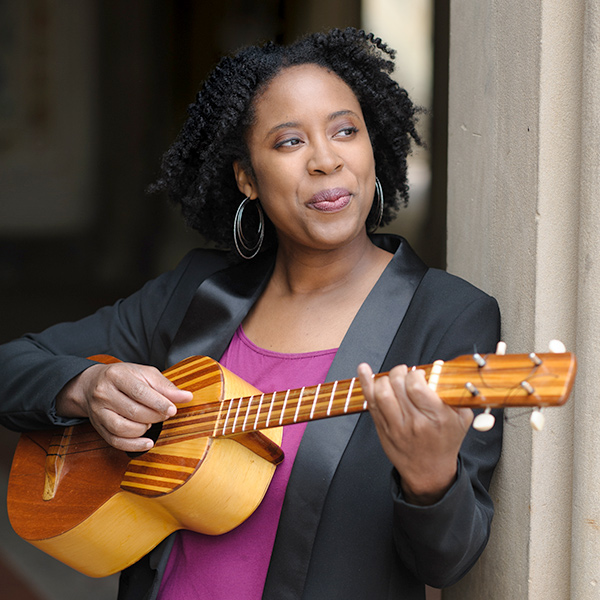
Decolonizing Action: An Open Letter on Racism in Music Studies by Danielle Brown
8
plain
2022-06-07T15:35:42+00:00
Decolonization is a topic that many people have struggled to understand throughout the past few decades. It is not completely obvious what methods or tools could be used to begin decolonizing our country (and every country). In her blog, My People Tell Stories, Danielle Brown, who earned a Ph.D. in music from NYU with a concentration in ethnomusicology and the music of Latin America and the Caribbean, wrote an Open Letter on Racism in Music Studies in June 2020. There she describes the experience of herself and BIPOC in the ethnomusicology field.
Dr. Brown discusses the Society of Ethnomusicology (SEM) and its aspects that troubled her greatly. The first of these issues was that white ethnomusicologists would presume to be the ruling authority over their culture of study even though they did not belong to that culture; furthermore, they would silence other BIPOC ethnomusicologists for being "less of an expert" in the field. This is systemic racism at work. A quote from this post that I thought was particularly impactful:
"If you cannot do the most basic of things, like acknowledge the existence of the people whose lives and cultures your job is based on, you have no right to make your living off of them." (Brown 2020)
Dr. Brown does not go too deeply into solutions for this example of systemic racism at work, but she does give a few ideas. First, BIPOC could leave institutions where they are not included in the conversation and start their own institutions. This will create a new institution without the fundamental undertones of racism. However, it will not do anything about the existing institutions, which continue to propagate white supremacy, whether apparent or not. Dr. Brown's second loosely formed idea is to place BIPOC at the forefront of these institutions, and when giving talks or presentations, white people actually show up, listen, and learn.
Considering this, moving forward means many more people of color in the foreground of institutions. And not just as a representative of diversity but as people of authority on the subject in which they are an expert. These institutions may hold nationwide conferences where BIPOC are the leaders, organizers, and marketers. However, this is not to say that white people would have no role in the systemic change. Their job is quite simple: show up, shut up, and learn.
To clarify, this does not mean that the responsibility of educating white people on BIPOC issues is on the shoulders of people of color. It merely implies that white people need to take a step back and make space for non-white people to take the lead on projects regarding their own cultures. Dr. Brown also notes that it is essential that white people becoming involved in this systemic change cannot whine or complain that they are no longer in the foreground because "white people have been the beneficiaries of affirmative action since the founding of this nation. Their actions are affirmed. Their voices are affirmed. Their knowledge is affirmed. Their being is affirmed." (Brown 2020)
Source: